
Mentoring Programmes
Developing People. Sharing Knowledge. Building Sustainable Mentoring Cultures.
Mentoring is more than sharing experience. It is a powerful developmental relationship that encourages reflection, builds confidence, broadens perspectives and supports personal and professional growth.
At HKB Consultancy & Coaching, we partner with organisations to create meaningful mentoring experiences that connect people, strengthen organisational capability and foster a culture of continuous learning.
From designing mentoring programmes and developing mentors and mentees to supporting implementation and evaluating outcomes, we provide an integrated approach that turns mentoring into a sustainable organisational practice.
Our Mentoring Services
Mentoring Programme Design & Implementation
We work with organisations to design and establish structured mentoring programmes aligned with their strategic priorities and people development objectives. Our support covers programme architecture, mentoring frameworks, participant selection, matching processes, implementation and ongoing coordination.
Mentor Training & Development
We equip mentors with the knowledge, mindset and practical skills needed to build effective developmental relationships. Our experiential training programmes focus on active listening, powerful questioning, constructive feedback, psychological safety, ethical practice and the effective use of mentoring frameworks.
Mentee Preparation & Development
Successful mentoring is a shared responsibility. We prepare mentees to engage actively in the mentoring relationship, clarify their development goals, manage expectations and take ownership of their learning and progress.
Programme Monitoring & Evaluation
We support organisations in monitoring mentoring relationships, gathering feedback and evaluating programme effectiveness. Our approach helps identify opportunities for improvement, demonstrate developmental outcomes and strengthen the long-term sustainability of mentoring initiatives.
Our Mentoring Experience
From Programme Design to Meaningful Development
Our mentoring experience spans the design and delivery of structured mentoring programmes, mentor and mentee development, and contributions to international professional dialogue.
Working with university alumni associations, professional networks and diverse participant groups, we combine psychological insight, evidence-based approaches and experiential learning to create meaningful and sustainable mentoring experiences.
The following examples reflect our commitment to developing mentoring capabilities, strengthening developmental relationships and fostering a culture of learning and knowledge sharing.
Featured Programme: ODTÜMİST Mentoring Programme | 2026
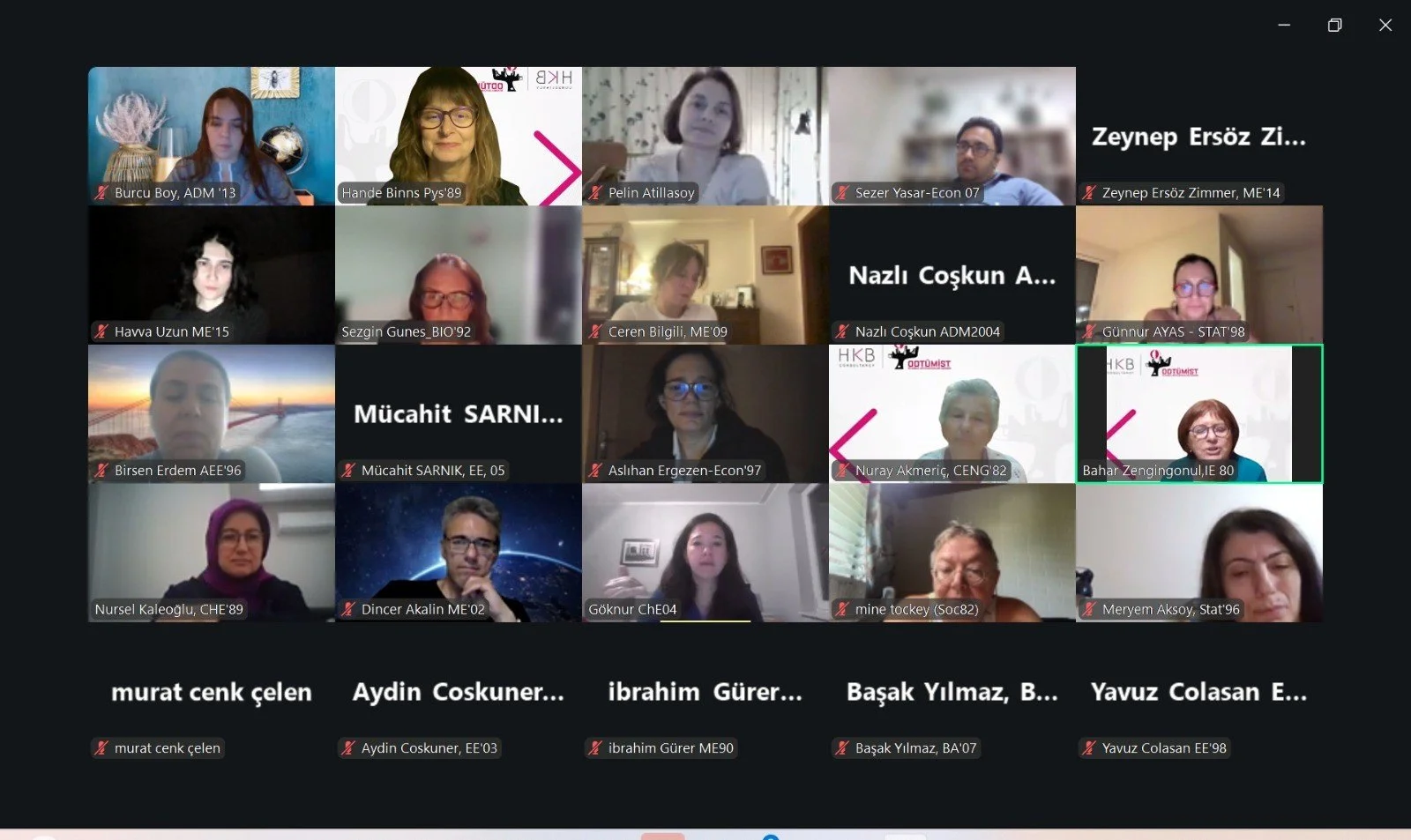
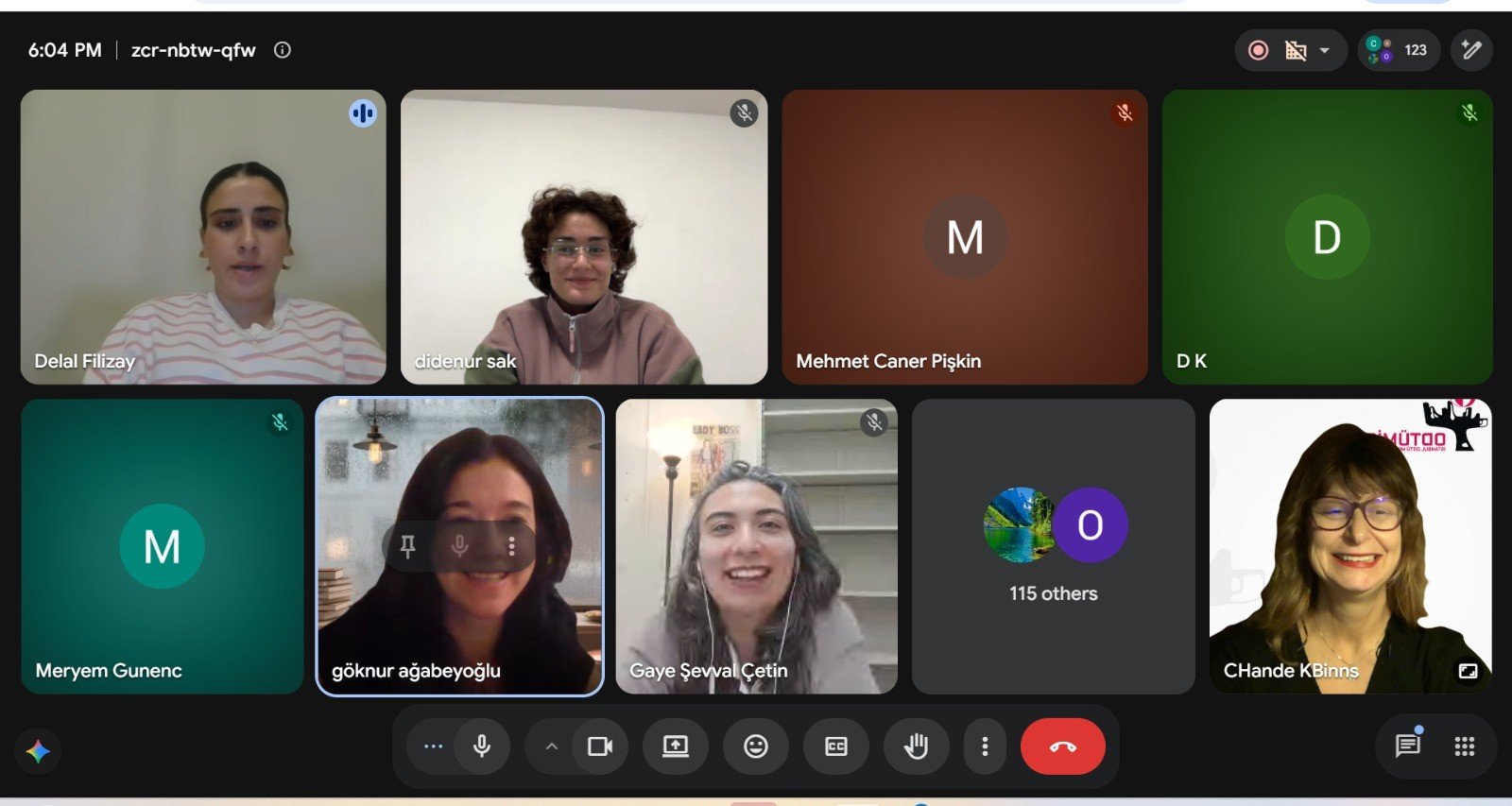
In collaboration with the Istanbul METU Alumni Association (ODTÜMİST), Hande Karabatak Binns contributed to the design and delivery of a comprehensive 35-hour mentor training programme, preparing approximately 50 participants for their mentoring roles.
Delivered alongside fellow trainers Nuray Akmeriç and Hande Bahar Zengingönül, the programme combined psychological foundations with experiential learning, focusing on active listening, psychological safety, powerful questioning, mentoring frameworks and practical application.
This integrated approach recognises that successful mentoring depends on the preparation, engagement and shared responsibility of both mentors and mentees.
Mentor Training | ODTÜMİST, 2026
Mentee Training
Our mentee training prepares university students to make the most of their mentoring relationships by clarifying their goals, understanding their responsibilities and developing the confidence to take an active role in their personal and professional development.
Mentee Training | ODTÜMİST, 2026
International Mentoring Contributions
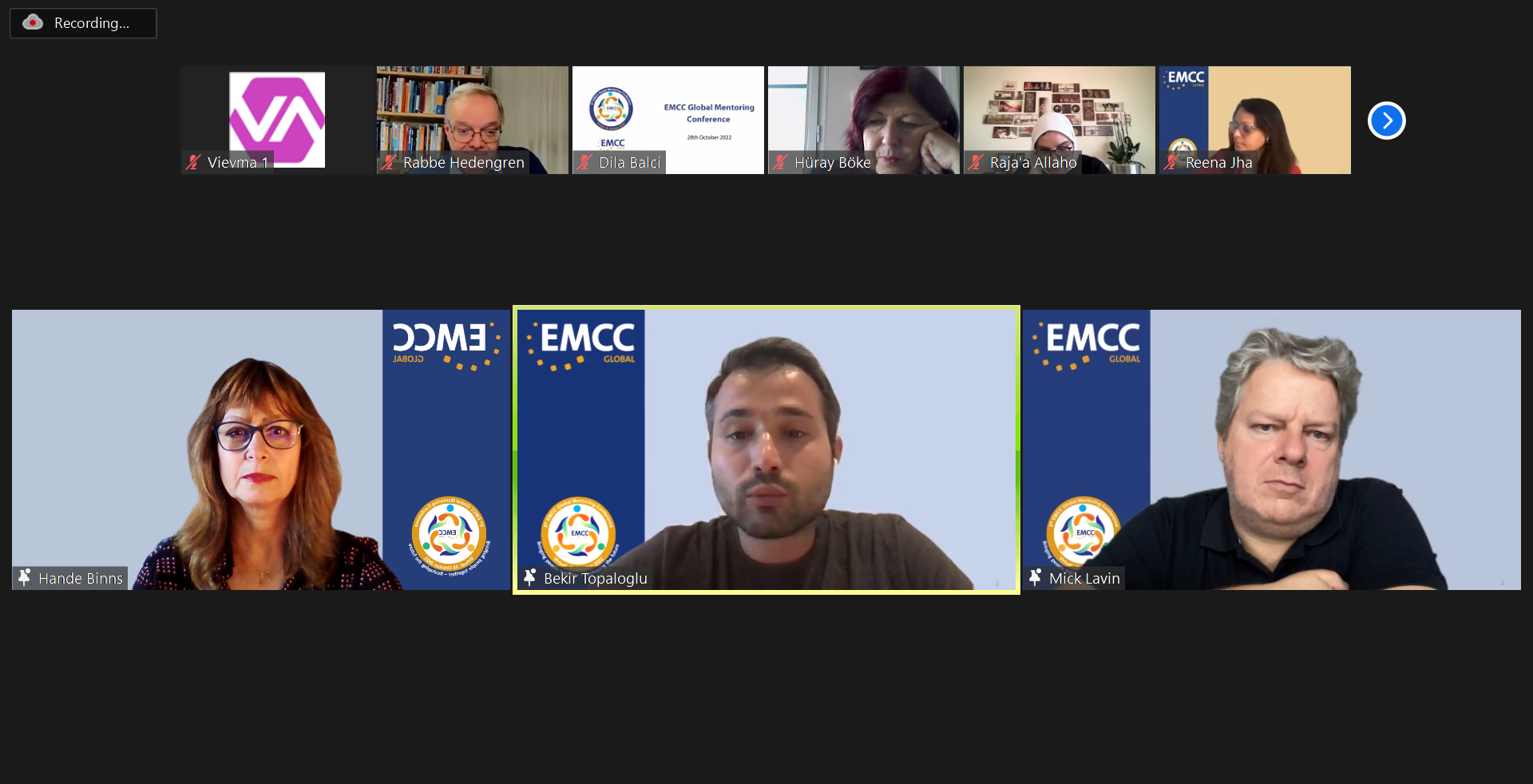
5th EMCC Global Mentoring Conference | 28 October 2022
Hande Karabatak Binns co-presented with Bekir Topaloğlu at the 5th EMCC Global Mentoring Conference, in a session moderated by Mick Lavin.
The presentation explored practical challenges in designing and implementing effective mentoring programmes, including mentor–mentee matching, communication, participant engagement and the evaluation of mentoring outcomes.